Cedars-Sinai told our story
On September 10, Cedars-Sinai, the hospital that cares for our kids every week, published our story and a five-minute film. We are grateful to Dr. Allen-Sharpley and everyone at Guerin Children’s for telling it so well.
The heart of it: our family, still standing
We are Mollie and Derek Vehling. We are raising four children in the San Fernando Valley on the two things that have always defined our home: faith and service. Derek gave eighteen years to the Los Angeles Fire Department before a line-of-duty injury ended his career on the trucks. Our oldest, Lillie, founded the Fire Family Ladder Program, a nonprofit for the children of fallen and disabled firefighters, while she was still in high school. Service was simply what our family did.
For years our kids were thriving by every measure: athletes, scouts, students, readers. Then, at fourteen, Emilie had her first seizure.
Three of our four, Emilie (19), Brodie (18), and Maggie Mae (16), have ASAH1-related SMA-PME. But who they are matters more than the diagnosis. Emilie carries a golfer’s calm and a reader’s mind; Brodie earned his Eagle Scout at fourteen; Maggie Mae brings theater, energy, and a stubborn kind of hope into every room. Lillie, who is unaffected, is a Division I water-polo player and engineering student who pours whatever she has left into her brother and sisters.
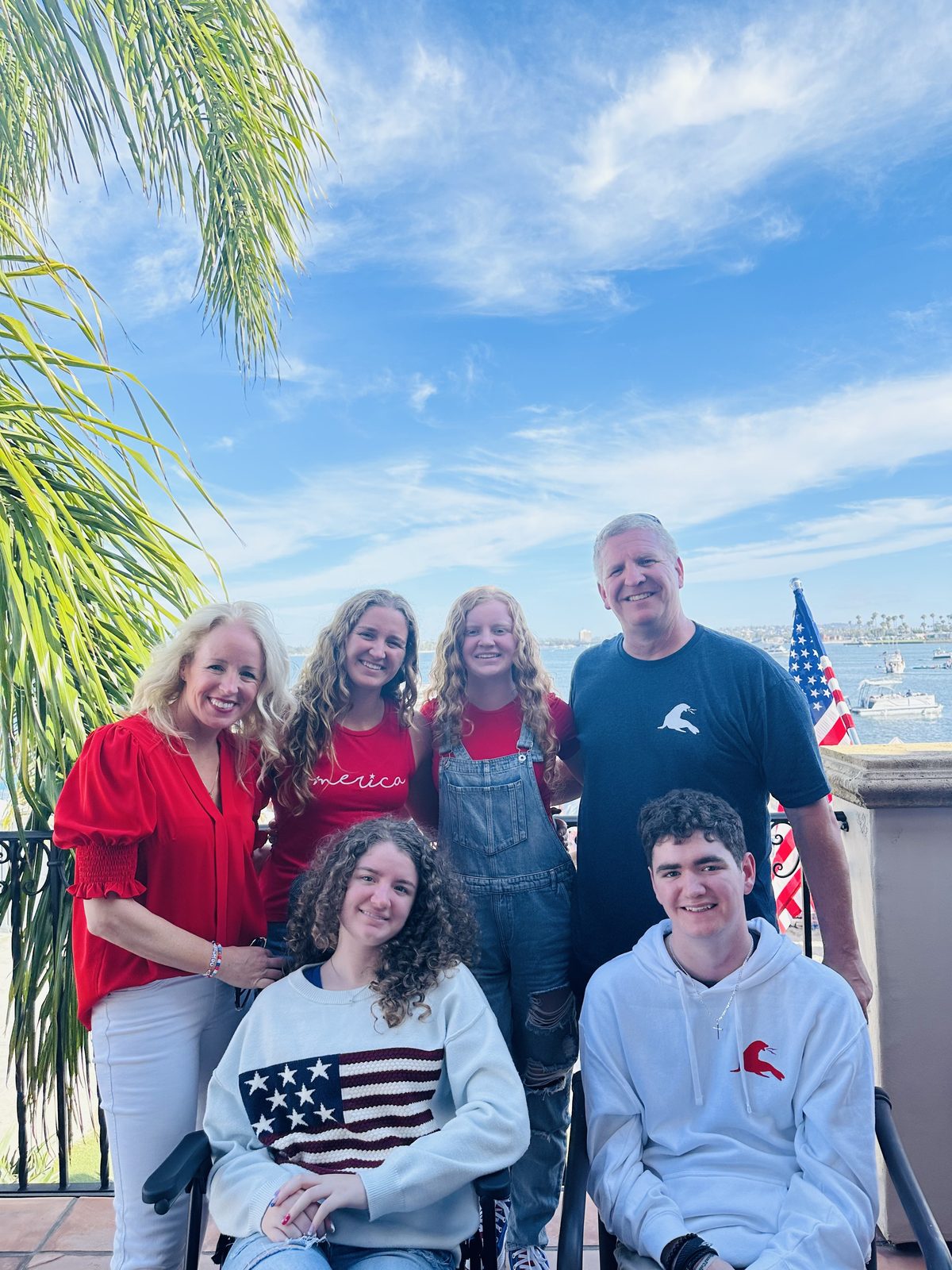
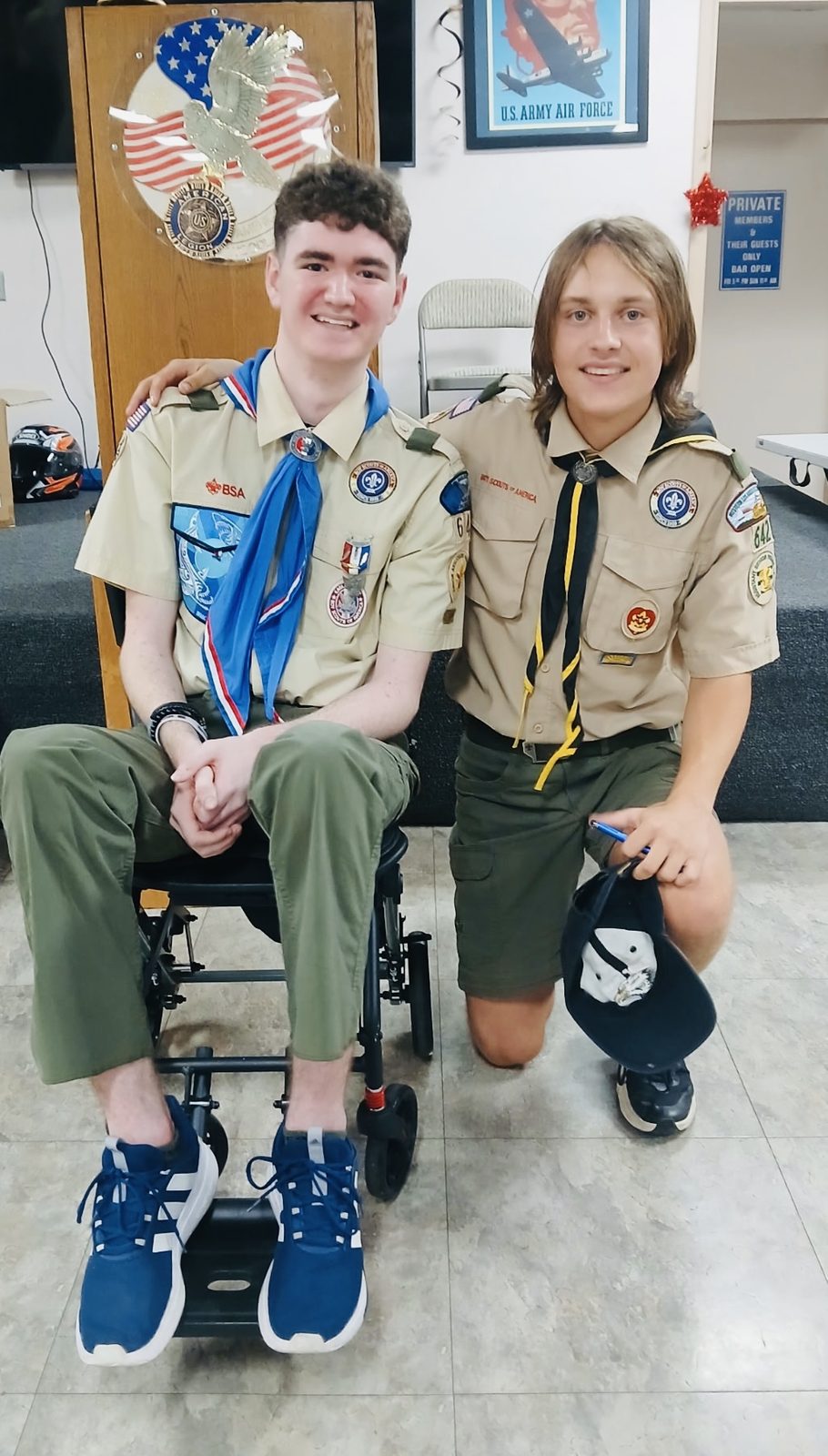
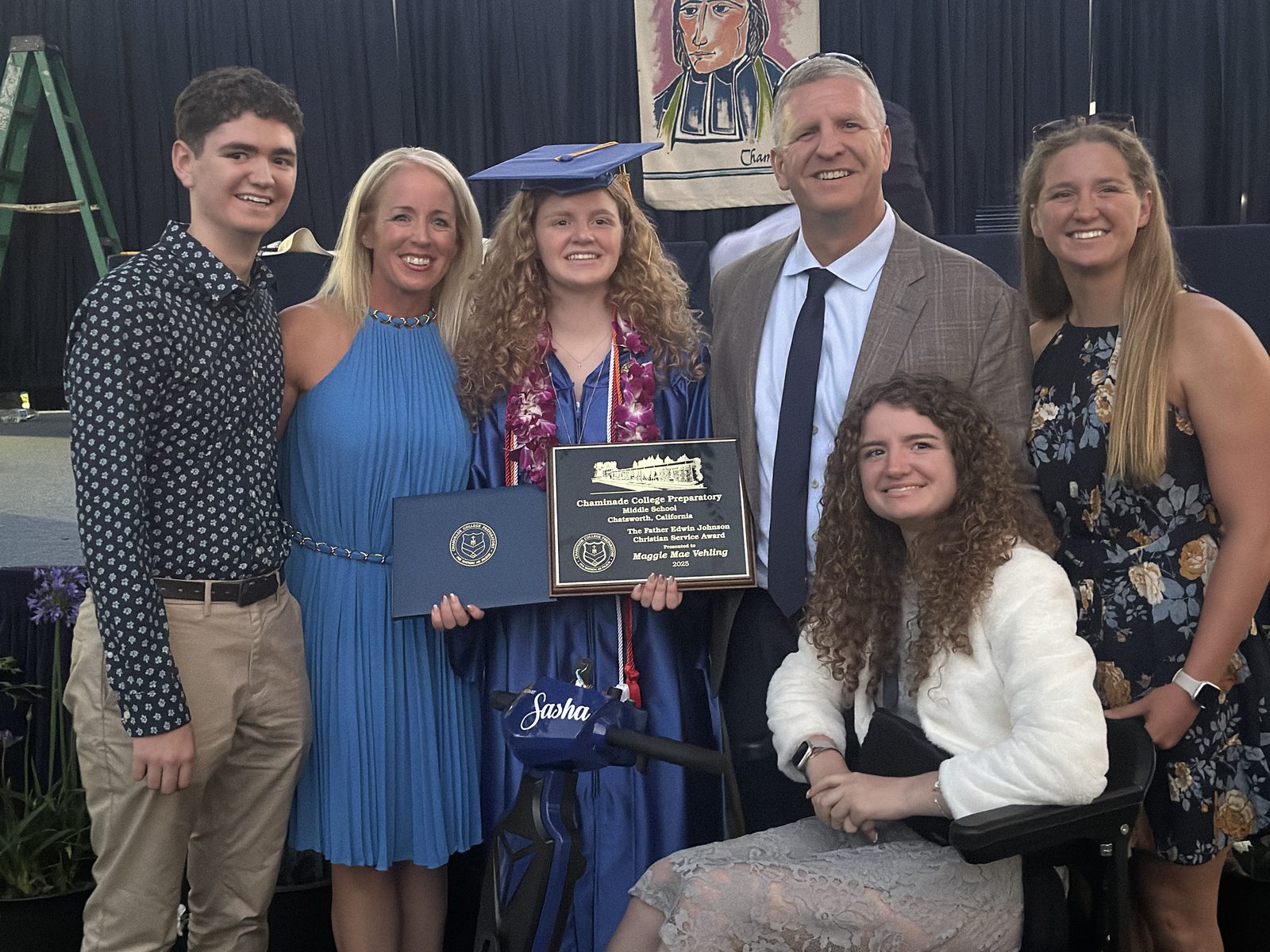
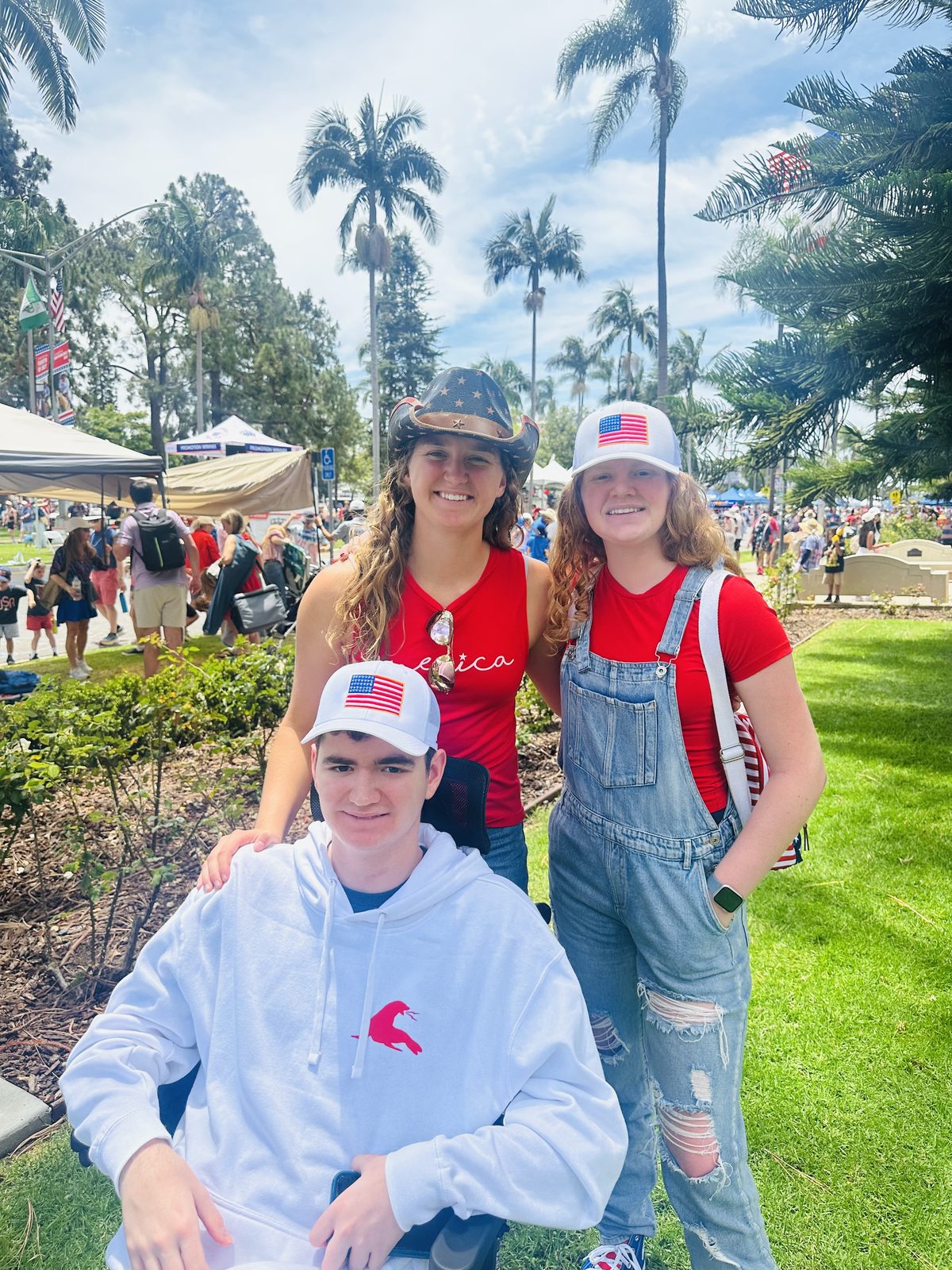
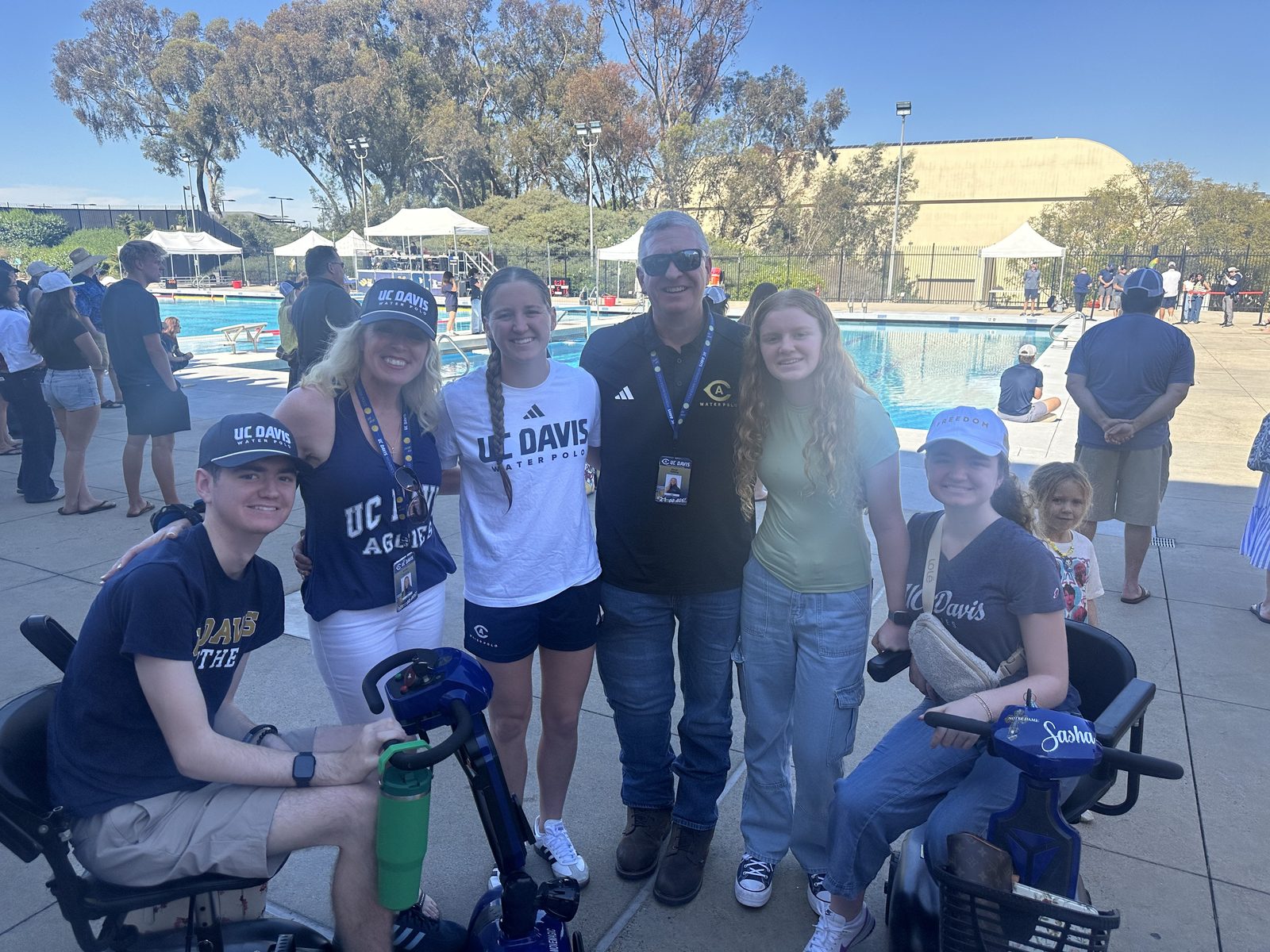
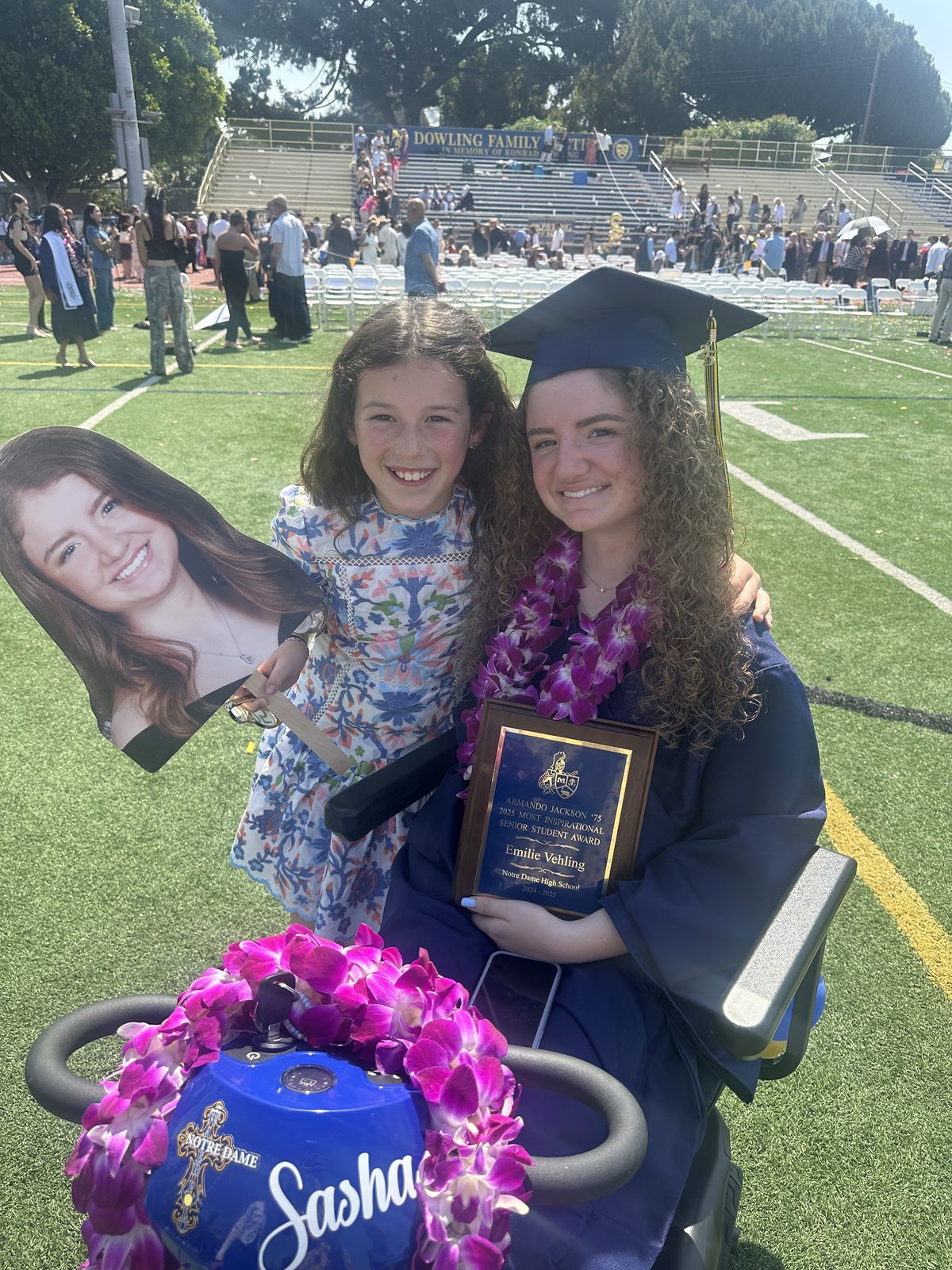
“I know how much I’m asking. But these children are worth everything. Not only ours, but every family’s children who are facing these same impossible odds. Our fundraising efforts here move every family toward a cure.”
Mollie Vehling
Real, and merciless
ASAH1-related SMA-PME, spinal muscular atrophy with progressive myoclonic epilepsy, takes muscle strength and brings relentless seizures, and it does not stop on its own. It is nano-rare: only about thirty people in the world are known to have it, and there is no approved treatment.
Because a disease this rare draws no pharmaceutical investment, the work of finding a treatment falls to families like ours.

Real, and federally backed
The research is led by Dr. Michelle Allen-Sharpley, MD, PhD, director of the Pediatric Neuromuscular Program at Cedars-Sinai Guerin Children’s and a principal investigator at its Board of Governors Regenerative Medicine Institute.
The approach uses each child’s own stem cells as a vessel for lifelong gene therapy. Because the cells come from the child, not a donor, there is no transplant-rejection risk, and because they are engineered outside the body and returned safely, there is no gene-therapy virus working inside the child. The cells are designed to overexpress the enzyme our kids are missing, an approach the team calls supercharged gene delivery.
Manufacturing, ready for the FDA
Produce the cell therapy so it is in hand and ready the moment the FDA gives the go-ahead.
~4–6 monthsFDA filing and first dose
File the Investigational New Drug application (the IND, the FDA’s permission to treat a first patient) and begin the first, carefully monitored treatment, designed first to establish safety.
~3 monthsClinical trial
A five-patient trial with five years of follow-up on safety and how well the therapy works.
2027 onwardThough not yet proven, the new science is promising. This work is investigational, and the current study is designed first to establish safety.
This work is real, it is moving, and if it works, it would reach beyond our three to every family facing these same odds. The same technology might one day also help families facing other neurological and genetic conditions.
Where we are
The Los Angeles Firemen’s Relief Association was among the first to stand with us, with a leadership gift. Every gift moves the first real treatment closer.
Three ways to stand with us
Give
Fund the cure through Cedars-Sinai Guerin Children’s, which processes your tax-deductible gift. Every gift moves the first real treatment closer.
Share
Send our story to someone who can help. It takes one tap.
Follow
Follow #TEAMVEHLING for the road ahead.